Is Mezcal meant to be drank, or is it meant to be witnessed? In the global premium spirits market, the product is no longer just the liquid inside the vessel; it is the entire ecosystem of behavior, history, and physical touchpoints that surround it. As consumers shift their purchasing power toward meaningful, purpose-driven brands, the traditional ways of serving spirits are being challenged. For Mezcal, this transformation centers on a single, powerful cultural artifact: la copita, and its sophisticated evolution toward contemporary stemware.
For a brand developer, understanding the ritual of la copita isn’t an exercise in romantic folklore—it is a rigorous strategy in experiential design and product positioning.
Beyond the Liquid: Engineering the Ritual
The mistake many emerging portfolios make is focusing 100% of their investment on the product development stage while leaving the consumer’s final point of contact to chance. Liquid excellence is the baseline, but the ritual is what commands premium margins.
We previously analyzed how physical interaction shapes taste in our deep dive: Disruptive Design: Phygital Branding—Using NFC and AR on Labels. In that exploration, we established that a brand’s narrative must expand past static limitations into an active consumer ecosystem. La copita serves as the analog counterpart to this philosophy. It is a sensory bridge.
Unlike a narrow Tequila shot glass—the traditional caballito—that encourages rapid consumption and forces the ethanol hit to dominate, the architecture of the vessel dictates consumer behavior. The wide, open rim of a traditional clay, ceramic, or jícara vessel forces the liquid to spread across a larger surface area. This engineering allows the complex, volatile ethanol vapors to dissipate, letting the consumer fully encounter the delicate aromas of wild agaves a traguitos without burning their palate. By designing an intentional serving ritual, you are literally engineering how the consumer’s brain decodes your liquid.
The Architecture of Occasion: Materiality and Stemware
To scale a premium brand globally, developers must look past generic packaging and catalog three distinct physical container archetypes, each engineered for a specific market tier and consumer behavior:
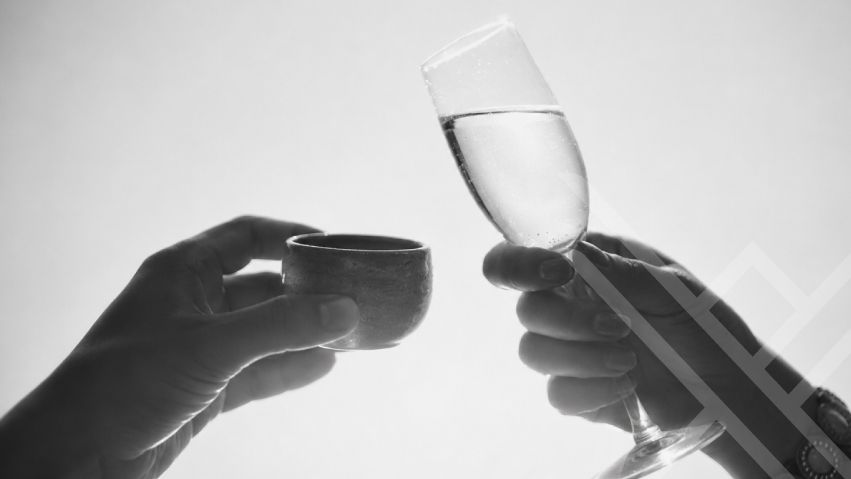
- La Jícara & Clay Copita (The Dispersal of Origin): A hand-fired clay copita, with its slight earthy porousness and natural variations, does not just hold the Mezcal; it reinforces its origin. When a consumer in London, New York, or Tokyo touches that raw material, their subconscious is instantly primed for an authentic, unfiltered flavor profile. It creates a seamless alignment between your brand’s supply chain story and the physical tasting experience. If your liquid claims to be born from wild, mineral-rich soils, the object delivering that liquid must feel like it belongs to that exact same earth.
- The Tasting Stemware (The Gastronomic Bridge): The introduction of specialized glass or crystal stemware (copas) isn’t an attempt to westernize Mezcal—it is a technical tool for food pairing and sensory analysis. The curved bowl of a proper spirits glass concentrates the delicate, ester-heavy aromas at the top while maintaining absolute control over temperature and density. By introducing stemware into the ritual matrix, you instantly shift Mezcal from the casual bar rail into the context of fine dining and high-margin culinary experiences.
The Strategic Value of the Shared Experience
From a business standpoint, designing a custom or highly curated ritual around your vessels yields two distinct market advantages:
- On-Premise Dominance: High-end mixologists and beverage directors are looking for theater. A brand that provides a distinct, highly visual serve ritual instantly captures real estate on the bar and spikes organic, consumer-driven social media visibility. This requires eliminating traditional crutches like generic orange slices and heavy chili—which act as a chemical camouflage that destroys the agave’s subtle notes—and replacing them with tailored botanical pairings or curated salts that complement the technical honesty of the distillation.
- Liquid Moat Enforcement: A standardized ritual protects your flavor profile from being commoditized. When your Mezcal is paired with a specific vessel, a curated salt, or a deliberate pouring technique, the experience becomes proprietary. Competitors cannot easily replicate the emotional equity of a completely integrated ritual.
Institutionalizing Artistry
The transition from a regional hidden gem to an international benchmark requires professional infrastructure that respects the soul of the craft. At Aceves Spirits Co., we build the comprehensive End-to-End (E2E) frameworks that allow brands to scale their volumes while strictly protecting their cultural and technical integrity.
True innovation is about curation. It is about understanding that every single touchpoint—from the density of the glass bottle to the texture of the serving vessel—must work in perfect harmony to tell your liquid’s truth.
Ready to design a complete sensory ecosystem for your brand?
Building a legacy in the premium market requires a strategic partner who understands that liquid mastery must be matched by experiential mastery. At Aceves Spirits Co., we provide the technical expertise, operational control, and strategic vision to ensure your brand is flawlessly engineered from the harvest to the final ritual pour.
Visit acevesspirits.com to start engineering your brand’s experiential strategy.