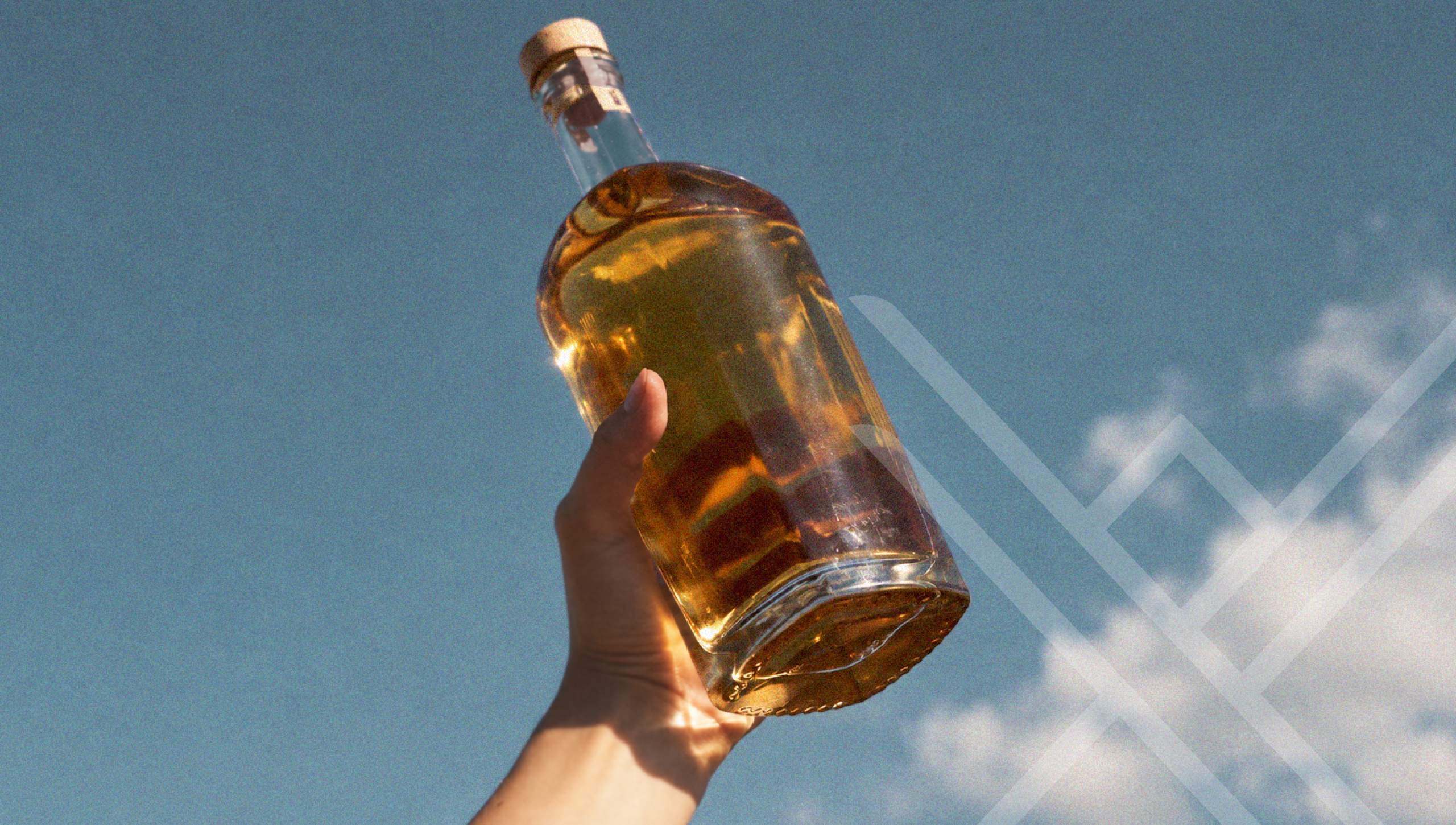
The global cocktail renaissance has permanently transformed on-premise beverage economics. Behind the bar, mezcal has evolved from an occasional smoky novelty into a foundational spirit, competing directly with rye, gin, and classic agave spirits in elite cocktail programs across London, New York, and Tokyo. Yet as top beverage directors integrate...
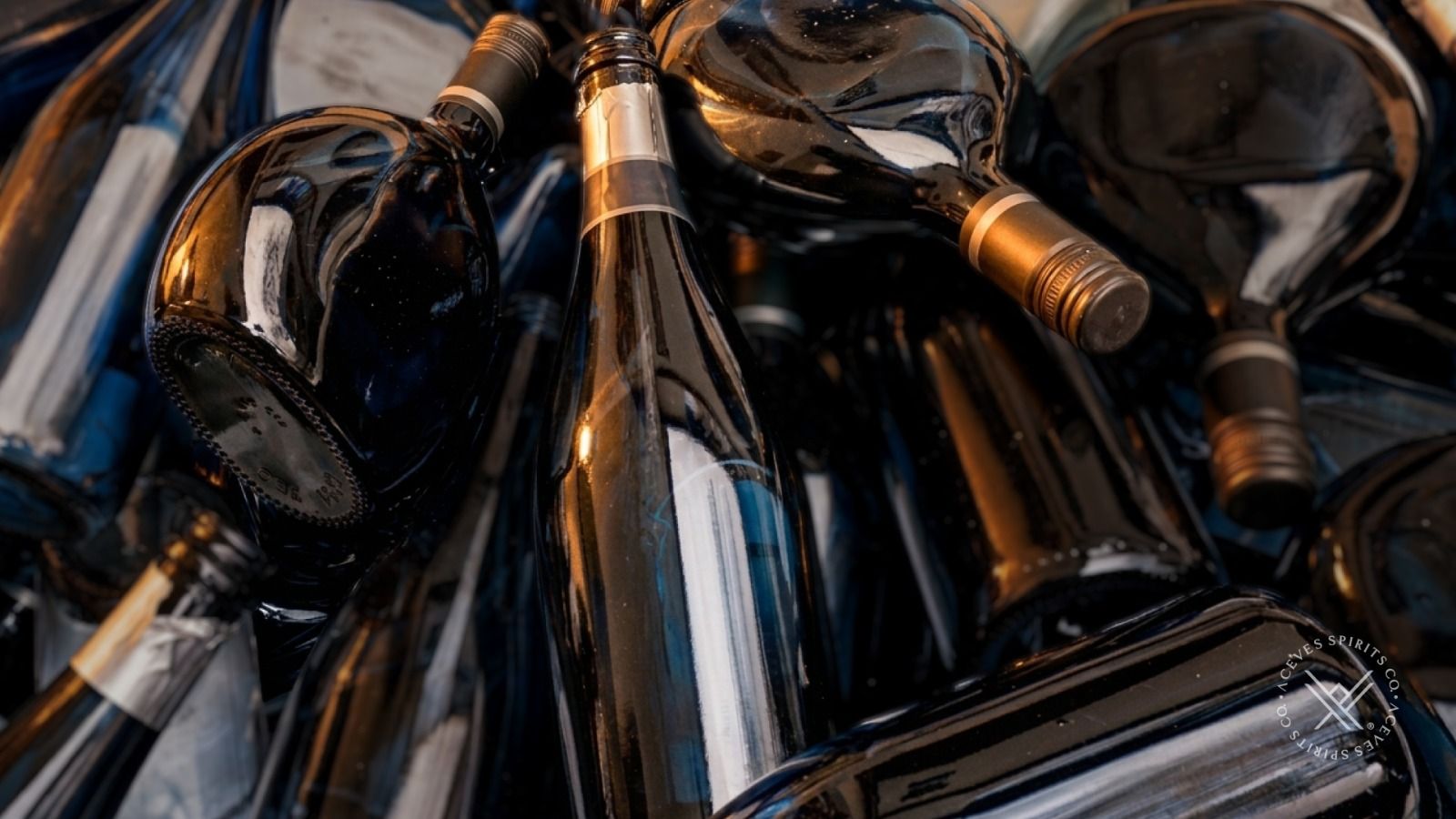
In the modern ultra-premium spirits market, packaging has long served as the primary physicalanchor for brand prestige. For decades, the luxury playbook was linear: commission heavy flintglass, maximize container tare weight, and apply metalic foils to command shelf presence. Yetas modern high-net-worth consumers, institutional investors, and global environmentalbenchmarks evolve, that...
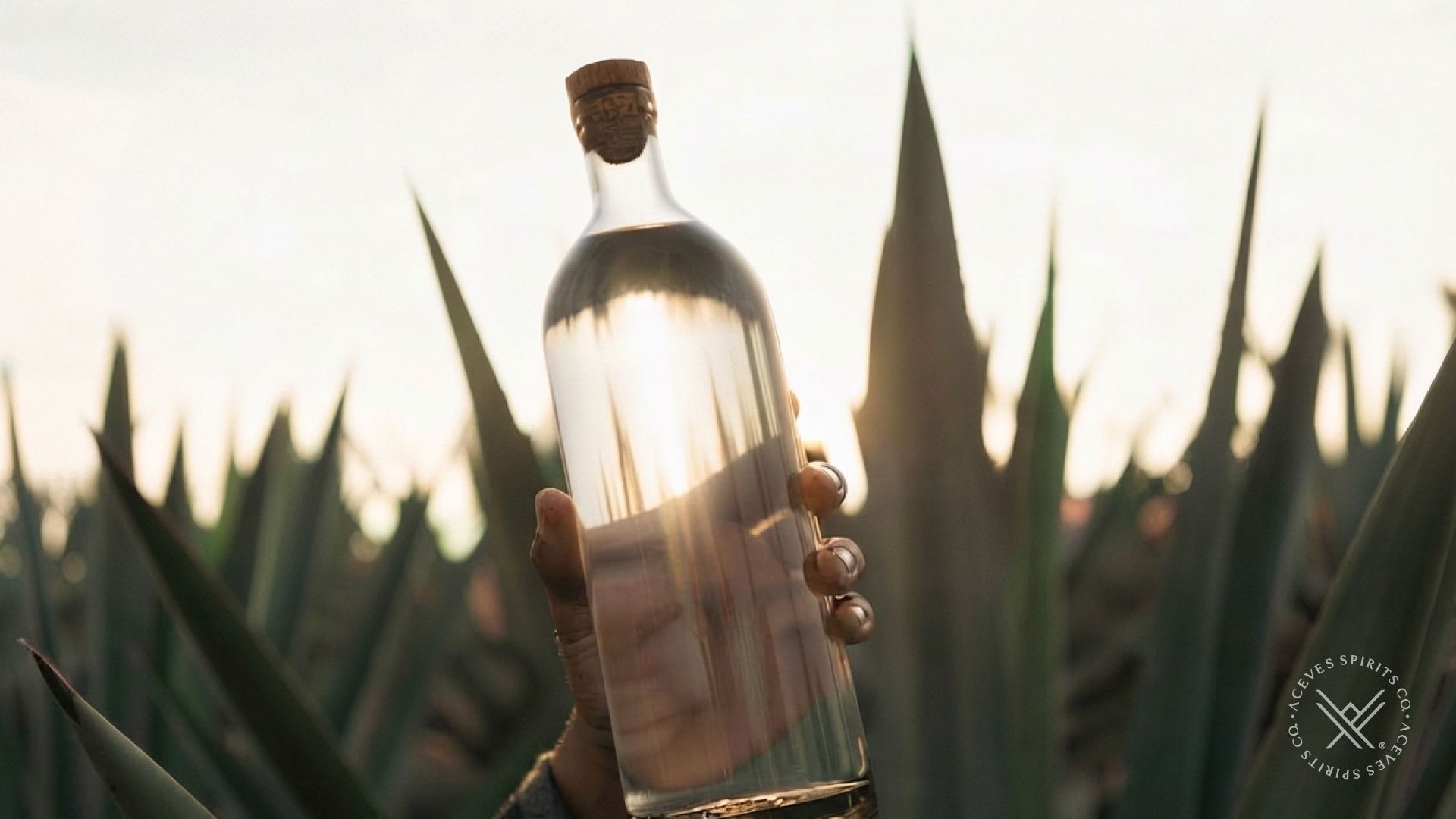
The global expansion of Mezcal has reached a critical structural crossroads. Over the past decade, the category skyrocketed from an esoteric regional Mexican craft to one of the most explosive luxury spirits sectors in international markets. With double-digit compound annual growth, institutional investment, and multinational acquisitions flooding Mexico’s Denomination of...
For generations, the global spirits industry operated under a linear commercial dogma: maturity equals prestige. The prevailing luxury architecture dictated that value, complexity, and high-ticket pricing were forged strictly inside toasted oak staves. Consumers were conditioned to believe that darker hues, longer aging statements, and caramel-tinted profiles represented the pinnacle...
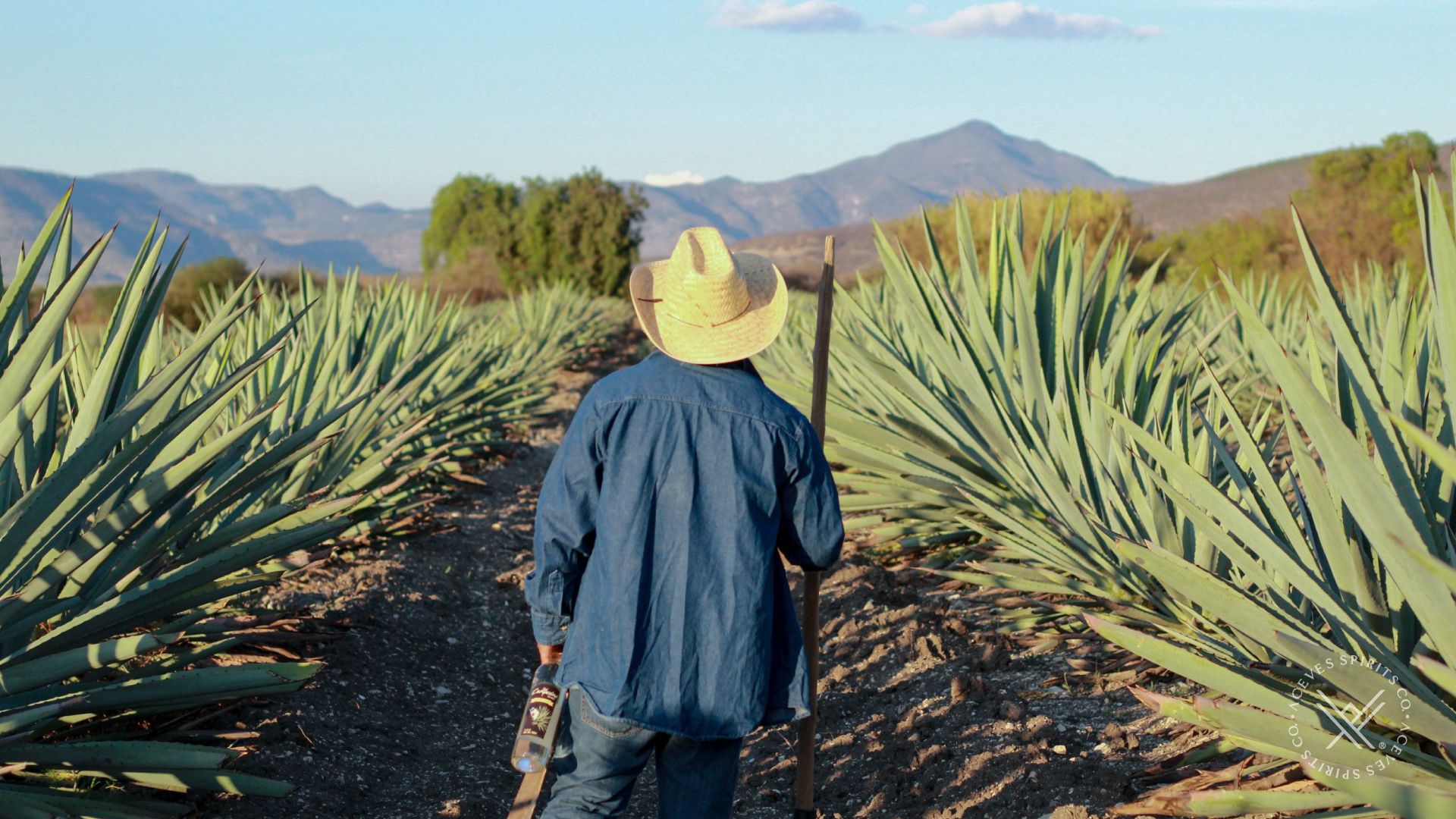
In the global ultra-premium spirits market, the definition of luxury has undergone a fundamental transformation. For decades, luxury was communicated through opulent packaging, heavy glass bottles, and high-dollar marketing campaigns. Today, the modern high-net-worth consumer, spirit collector, and industry gatekeeper demand far more than surface-level prestige—they demand social integrity, environmental...
In the modern luxury spirits ecosystem, the traditional playbook for building a commercial powerhouse has hit a wall. For decades, legacy conglomerates relied on massive marketing budgets, high-profile celebrity endorsements, and ubiquitous distribution to establish market dominance. However, today’s ultra-premium consumers, spirit collectors, and high-net-worth connoisseurs are actively rejecting manufactured...
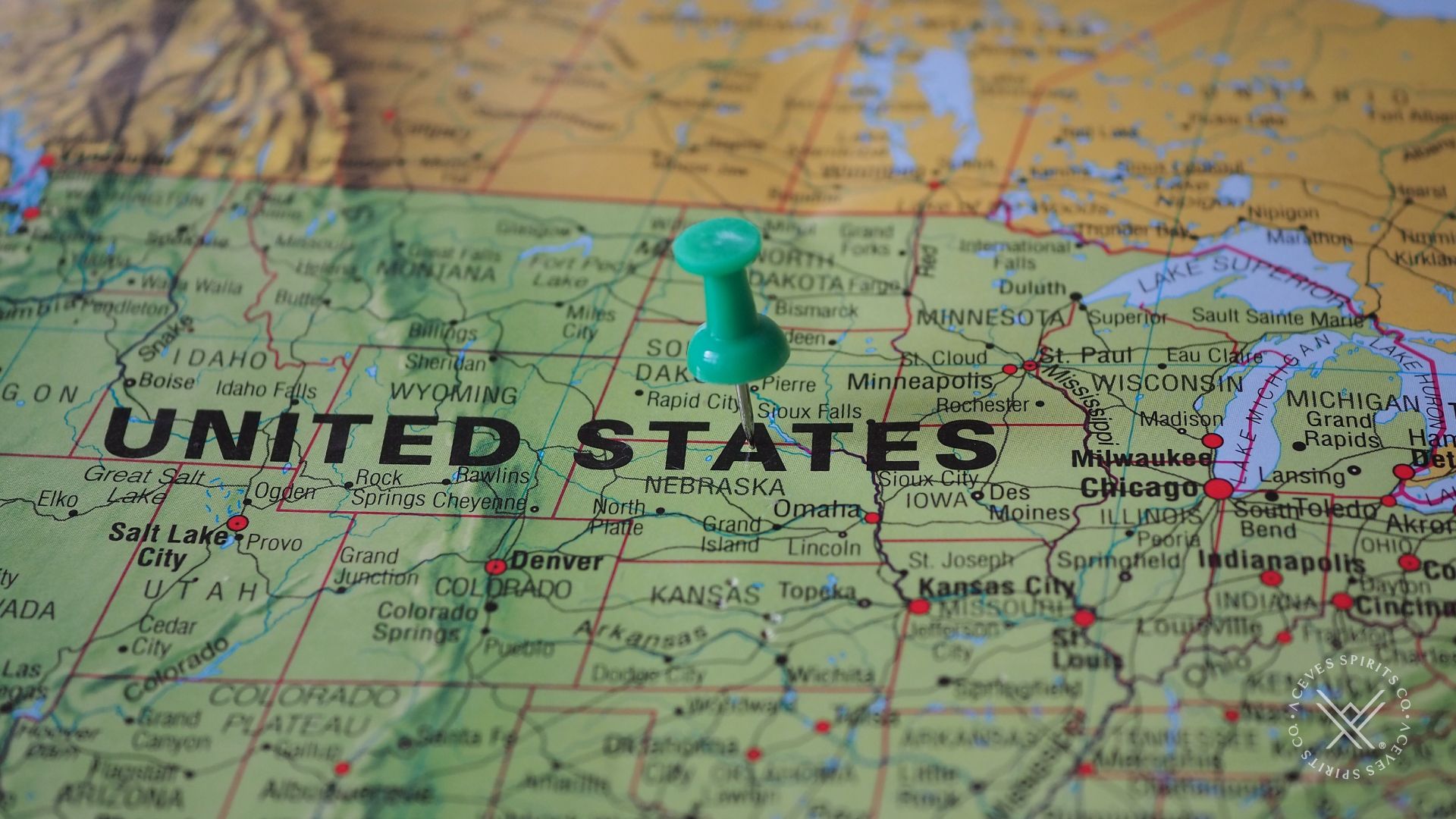
In the global spirits industry, the traditional blueprint for launching a new Tequila brand is broken. Historically, founders believed that creating an extraordinary liquid and designing a beautiful bottle were enough to guarantee commercial success. The conventional strategy relied heavily on broad-brush distribution deals, field sales handshakes, and hoping that...
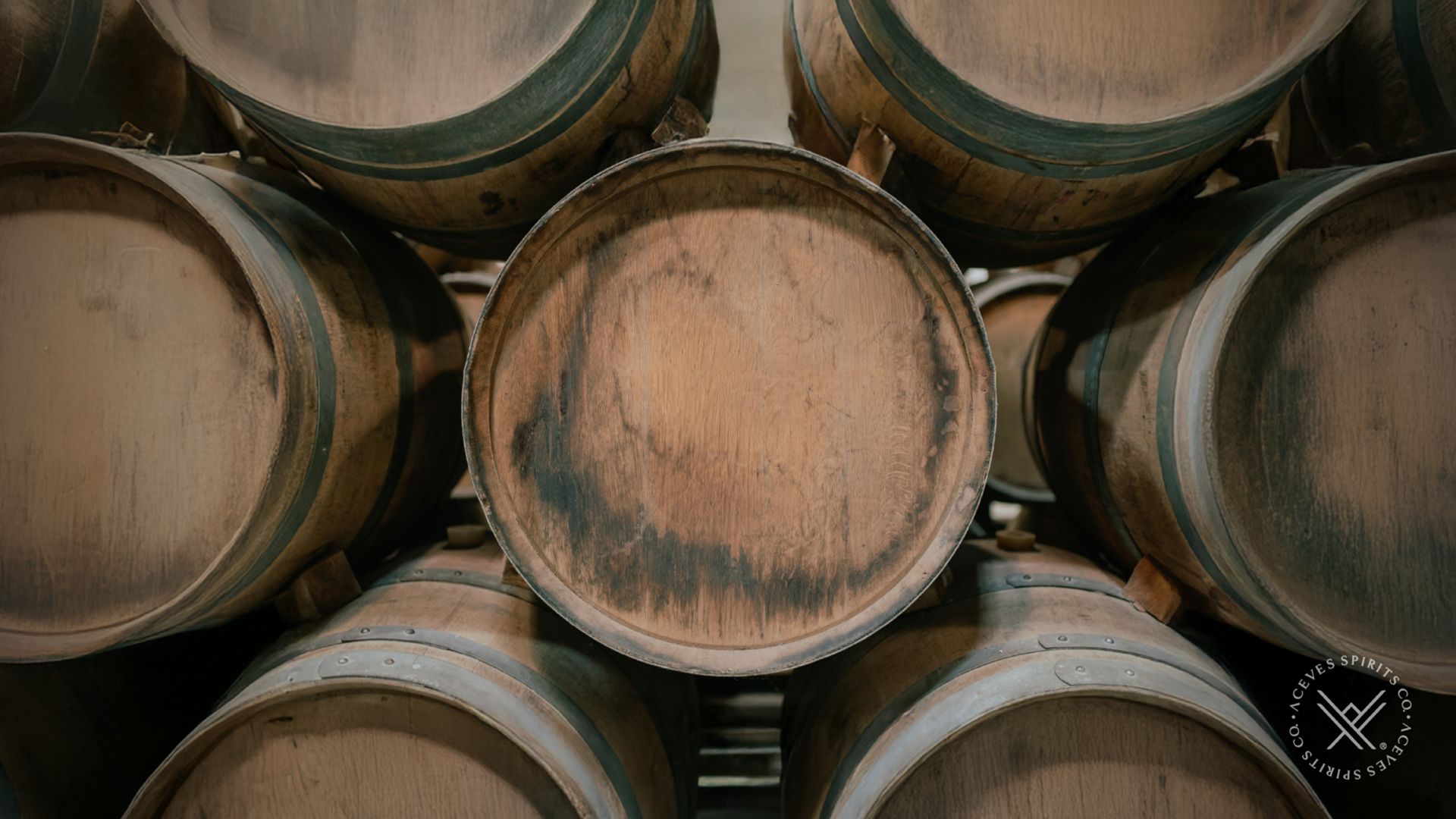
For decades, the maturation playbook for Mexican agave spirits was strictly defined by American oak bourbon barrels. While traditional reposados and añejos built the global foundations of Tequila, the ultra-premium mezcal sector is entering a transformative era. Today’s high-net-worth consumer and spirit collector no longer view barrel aging merely as...
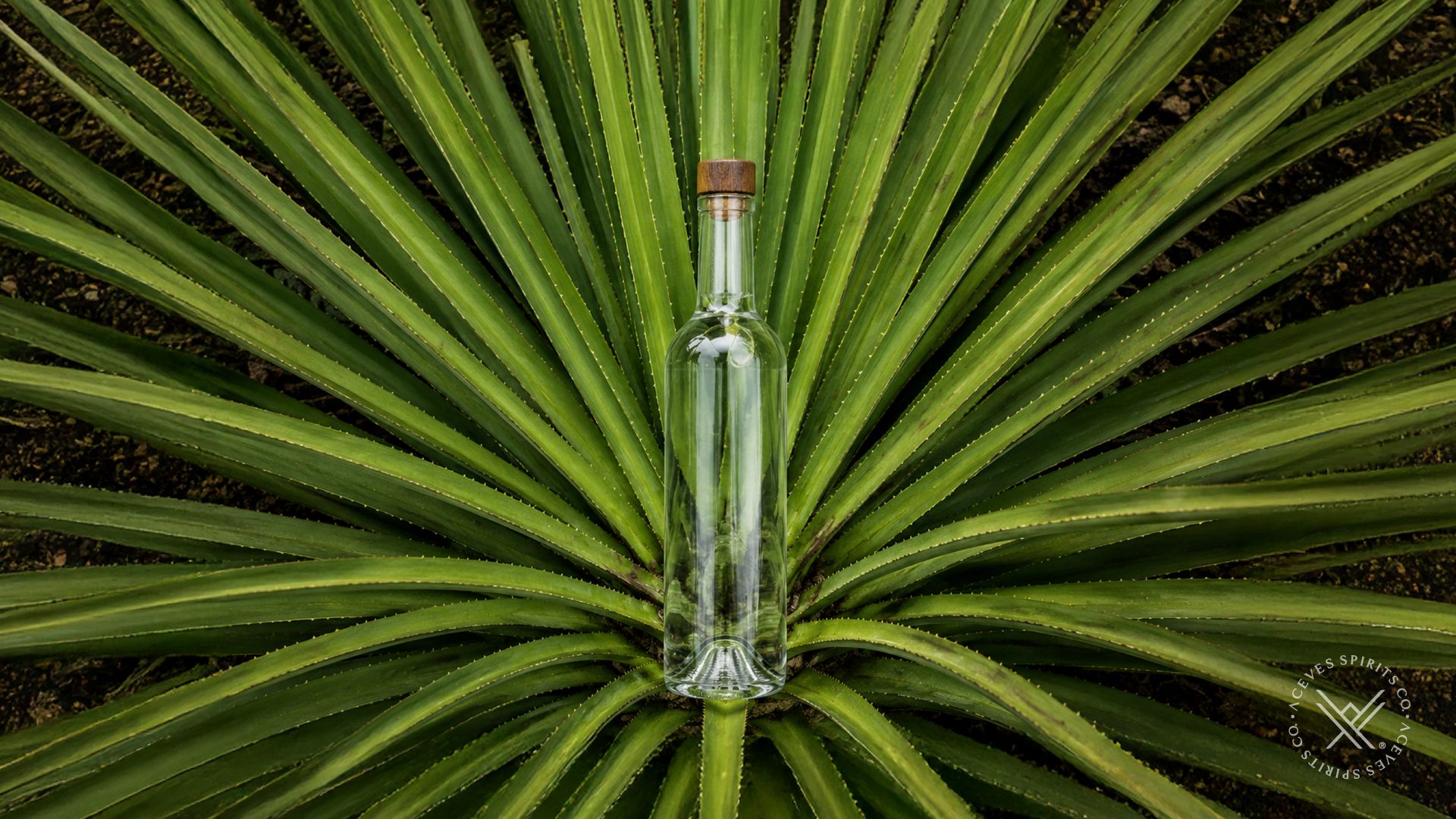
For over two decades, the global agave renaissance was defined almost entirely by a single category: Tequila. As consumer palates matured, Mezcal broke through the barrier, establishing that smoky, artisanal, and wild-agave profiles could command premium price points in top-tier markets. But as the U.S. market reaches a point of...

In the luxury spirits landscape, brand building has traditionally been a slow, linear grind. Historically, turning a high-level liquid concept into a tangible, physical bottle required months of iterative graphic design, costly physical prototyping, and endless back-and-forth between creative agencies and production houses. But as the market accelerates and consumer...