In the global ultra-premium spirits market, the definition of luxury has undergone a fundamental transformation. For decades, luxury was communicated through opulent packaging, heavy glass bottles, and high-dollar marketing campaigns.
Today, the modern high-net-worth consumer, spirit collector, and industry gatekeeper demand far more than surface-level prestige—they demand social integrity, environmental stewardship, and supply chain accountability. In no category is this shift more critical than in Mezcal.
As global demand for wild and cultivated agave explodes across Mexico’s Denomination of Origin, brand owners face an inescapable operational reality: an unethical supply chain is a ticking commercial liability, while an ethical, transparent supply chain is the ultimate driver of sustainable brand value.
For spirit brand founders, portfolio directors, and institutional investors, embedding fair trade mechanics into the agave supply chain is not a charitable endeavor—it is a core pillar of risk mitigation, product quality, and long-term enterprise valuation.
While some in the industry choose to overlook supply chain ethics, these 5 principles are non-negotiable fundamentals in our production strategy:
1. Fair Agave Pricing Models and Long-Term Agricultural Contracts
The agave market has historically suffered from brutal boom-and-bust price cycles that leave local agaveros and rural farming communities financially vulnerable. While some operators exploit spot-market drops for temporary margins, sustainable brand development relies on long-term, fixed-floor pricing contracts.
By guaranteeing fair purchasing prices for maestro mezcaleros and local farmers regardless of market volatility, brand owners secure their raw material supply, foster regional economic stability, and build unbreakable supplier loyalty.
2. Direct Economic Empowerment for Rural Palenqueros
Traditionally, multi-tiered middleman networks extracted the vast majority of commercial profit, leaving the primary producers—the palenqueros—with minimal margins despite providing the essential craft labor. Establishing direct-trade frameworks ensures that an equitable percentage of wholesale margin flows directly back into the rural communities where the mezcal is distilled.
Fair economic distribution directly correlates with liquid quality; when master distillers are properly compensated, they never need to rush fermentation or compromise distillation cuts to survive.
3. Reforestation and Sustainable Agave Stewardship
True supply chain ethics extend to the land itself. The rapid rise of mezcal has put immense pressure on wild agave species like Tobalá, Cupreata, and Tepeztate, which can take up to two decades to reach maturity. Responsible supply chain architecture mandates strict 1:1 or 1:2 replanting programs, active seed-banking, and the cultivation of nursery-grown wild varieties.
Protecting biological diversity guarantees that your brand’s core raw material remains abundant for generations to come rather than facing ecological depletion.
4. Occupational Health, Safety, and Distillation Infrastructure
Traditional mezcal production involves strenuous physical labor under extreme environmental conditions. Upgrading the supply chain means professionalizing the working conditions inside the palenque.
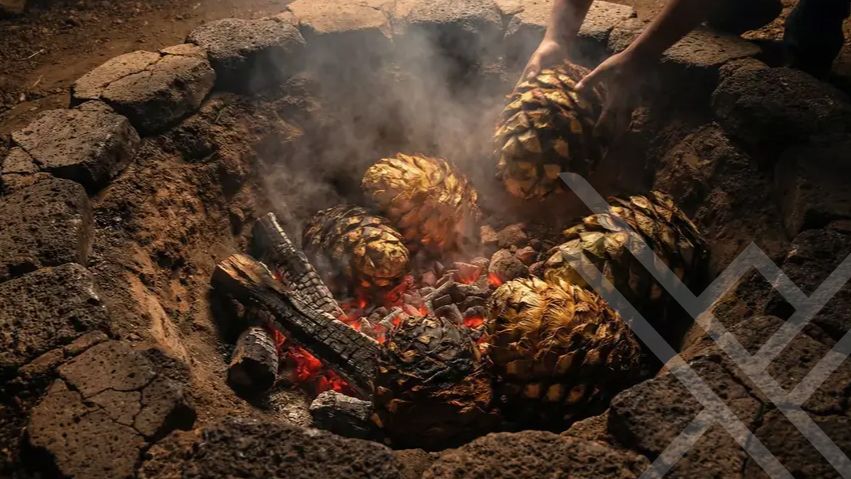
Investing in ergonomic crushing equipment, proper ventilation around roasting pits, safety gear, and clean water filtration systems protects the physical well-being of artisanal workers. Modernizing infrastructure while respecting ancestral techniques is the hallmark of a truly responsible brand partner.
5. Full Supply Chain Traceability as Brand Equity
In an era where “greenwashing” is swiftly called out by industry watchdogs, fair trade claims must be backed by verifiable data. Implementing digital supply chain tracking—from the specific geo-location of the agave harvest to the exact batch distillation metrics—allows brand owners to prove their ethical claims to distributors, retailers, and consumers.
Complete transparency transforms supply chain compliance from a hidden back-office expense into a powerful, customer-facing asset.
This operational analysis builds directly upon our foundational study, “Mezcal Terroir: How Soil Influence Defines Agave Profiles Across Mexico.” In that analysis, we established that a mezcal’s raw flavor architecture is deeply rooted in regional soil chemistry, microclimates, and endemic species.
Respecting the physical terroir of Mexico requires an equal commitment to respecting its social terroir—the ancestral communities, farming families, and master distillers who safeguard these ecosystems. You cannot claim to honor the purity of the soil if you exploit the hands that cultivate it.
At Aceves Spirits Co., we believe that world-class liquid engineering and ethical supply chain management must go hand in hand. We operate as holistic production partners who professionalize every link in the agave value chain—from responsible agricultural sourcing and fair labor practices across Mexico’s Denomination of Origin to technical process controls and international compliance.
We empower brand owners to build scalable, ultra-premium spirits portfolios rooted in social integrity, ecological harmony, and uncompromising quality.
The future of luxury mezcal belongs to those who honor both the liquid and the hands that create it.
Is your supply chain engineered to protect your brand’s future, or exposing it to risk?
Visit Aceves Spirits Co. at acevesspirits.com to discover how we professionalize private label development, integrate ethical supply chain strategies, and architect world-class agave spirits from the ground up.