The global expansion of Mezcal has reached a critical structural crossroads. Over the past decade, the category skyrocketed from an esoteric regional Mexican craft to one of the most explosive luxury spirits sectors in international markets. With double-digit compound annual growth, institutional investment, and multinational acquisitions flooding Mexico’s Denomination of Origin, the commercial imperative to accelerate volumetric output is fierce.
Industrial autoclaves, automated mechanical shredders, and continuous distillation columns have entered the landscape, promising the operational efficiencies demanded by conventional corporate beverage models.
Yet, this rapid industrialization carries an existential hazard.
Mezcal’s unprecedented premium valuation was never built on mass-scale uniformity; it was earned through ancestral intimacy, geological biodiversity, and cultural heritage. The soul of Mezcal resides in rural palenques—earthen roasting pits lined with river stones, hand-wielded wooden mallets, open-air oak or pine fermentation vats colonized by wild native microflora, and clay pot stills fired by local wood.
For brand architects, spirit entrepreneurs, and long-term investors, the central operational challenge of our era is clear: how to scale an authentic brand commercially without turning ancestral distillation into an extinct museum piece or flattening its soul into generic industrial spirit.
Preserving ancestral integrity while achieving sustainable commercial scale is not an act of nostalgic charity; it is the fundamental strategic driver of long-term brand equity.
To navigate this tension, forward-thinking operators anchor their brand development in 4 non-negotiable principles:
1. Preserving the Human Architecture of the Palenque
Ancestral mezcal is fundamentally defined by human intervention rather than automated sensory mimicry. Mashing roasted agave piñas with wooden mallets (canoas) or stone tahonas requires physical endurance, generational muscle memory, and an intimate understanding of fiber resistance.
Likewise, clay pot distillation (destilación en barro) imparts distinctive earthy minerality, catalytic chemical reactions, and natural ester retention that stainless steel columns can never reproduce.
Upgrading ancestral production does not mean replacing the maestro mezcalero with automated valves; it means improving ergonomic tools, structural shelter, and clean water access so the artisan can execute ancestral techniques with greater dignity, safety, and physical longevity.
2. Wild Fermentation Ecology as Proprietary IP
Commercial spirits production relies on isolated, lab-cultured yeast strains engineered for rapid glucose conversion and predictable volumetric yield. Ancestral mezcal rejects this sterility. Fermentation in ancestral palenques is an open-air collaboration with the endemic microclimate—wild airborne yeasts, regional bacterial strains, and the natural microbiota residing inside heirloom wooden fermentation vats.
This biodiversity yields an intricate spectrum of organic acids, higher alcohols, and volatile aromatic compounds that form an unrepeatable sensory fingerprint. Preserving these artisanal fermentation ecosystems is the ultimate competitive moat; it provides proprietary liquid character that industrial competitors cannot replicate.
3. The Micro-Batch Allocation Model
The industrial mindset equates growth with continuous volume expansion. Ancestral model replaces mass volume with hyper-premium value through disciplined allocation architecture. Ancestral distillation via clay pots yields tiny production batches—often yielding fewer than 300 to 500 liters per cycle.
Rather than forcing ancestral palenques to artificially surge capacity and compromise distillation cuts, sophisticated brand developers structure their business model around limited-edition seasonal runs, single-palenque reserves, and numbered batch releases.
This deliberate operational constraint protects liquid excellence while justifying top-tier retail price architecture.
4. Economic Continuity Across Generational Lineages
Ancestral knowledge cannot survive if the next generation of distillers is forced to migrate due to economic scarcity. Historically, multi-tiered middleman structures extracted commercial margins while rural distilling families absorbed agricultural and production risks.
Modern brand development must guarantee direct trade frameworks, fair compensation benchmarks, and infrastructural reinvestment directly into distilling communities.
True cultural preservation happens when young family members see master distillation not as a cycle of rural poverty, but as an economically viable, highly revered profession with global prestige.
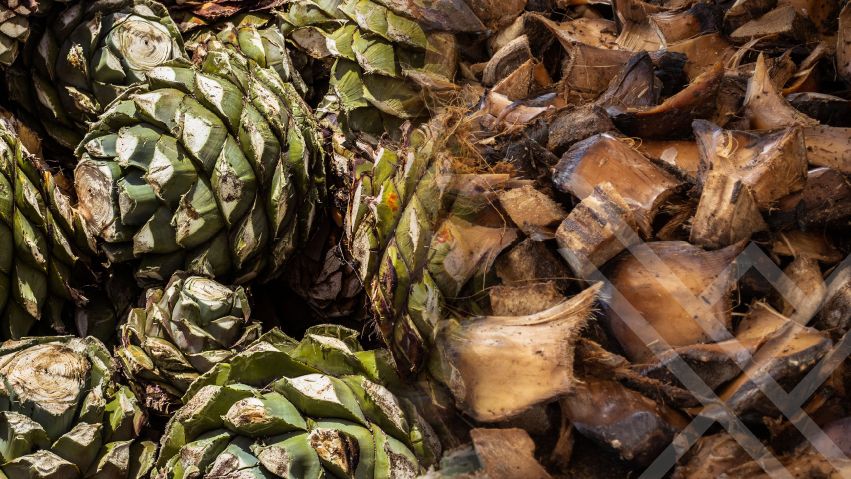
This operational philosophy builds directly upon our recent supply chain study, “The Ethics of Agave: Ensuring Fair Trade in the Mezcal Supply Chain.” In that analysis, we established that respecting the physical terroir of Mexico requires an equal commitment to respecting its social terroir—the ancestral communities, farming families, and master distillers who safeguard these traditions.
True preservation goes beyond fair wages; it demands that brand owners honor ancestral techniques as sacred craft, ensuring that commercial growth does not strip away the ancestral methods that gave the spirit its identity in the first place.
At Aceves Spirits Co., we operate as strategic bridges between deep Mexican distilling heritage and world-class commercial execution. We understand that authentic luxury cannot be mass-engineered through shortcuts.
As comprehensive production and strategic partners, we collaborate directly with artisanal communities and master mezcaleros across Mexico’s Denomination of Origin, professionalizing international compliance, quality control protocols, and supply chain logistics while safeguarding ancestral distillation practices with absolute reverence.
We empower visionary brand founders to build scalable, globally recognized luxury spirits portfolios that preserve cultural legacy, protect traditional methods, and command lasting enterprise value.
The commercial future of Mezcal does not belong to those who industrialize its heritage away, but to those who engineer sustainable frameworks to protect it.
Is your brand development strategy diluting ancestral craft for short-term volume, or building enduring cultural equity?
Visit Aceves Spirits Co. at acevesspirits.com to discover how we professionalize private label development, preserve artisanal distillation methods, and architect world-class luxury agave portfolios from the ground up.