For over a century, spirits marketing operated inside rigid, binary aesthetic codes. The industry
playbook was split along overt gender lines: brown spirits, high-proof expressions, and smoky
agave distillates were engineered with hyper-masculine signifiers—heavy square bottles,
rugged textures, aggressive typographies, and brooding cigar-lounge imagery. Conversely,
lighter, botanical, or fruit-forward profiles were forced into patronizing feminine tropes
dominated by pastel palettes, slender glass, and low-calorie messaging.
Today, that demographic partitioning is commercially obsolete.
Modern spirits consumers, particularly the demographic cohorts driving ultra-premium growth,
make purchasing decisions based on craftsmanship, origin, liquid integrity, and cultural
relevance—not dated gender archetypes. Discerning collectors and cocktail enthusiasts reject
being categorized by gendered visual shortcuts. As a result, forward-thinking spirits
entrepreneurs and brand directors are embracing post-gender branding: an innovative
strategic architecture that strips away binary clichés to build universal, emotionally resonant
luxury equity.
Abandoning gendered marketing is not about making branding bland or neutral. It is a
sophisticated design innovation that unlocks higher customer lifetime value and broadens
market reach from day one.
Here are 4 strategic pillars defining post-gender branding in modern luxury spirits:
Expanding the Flavor Spectrum Beyond Binary Expectations
For decades, brands operated under the false premise that men only drank robust, smoky, or
tannic liquids, while women preferred sweet, low-proof, or floral profiles. Modern liquid
architects know that palates are individual, not gendered. High-net-worth female co lectors are
driving substantial demand for cask-strength, high-ester unaged tequilas and mezcals, while
men are actively seeking delicate, floral, and low-intervention botanical disti lates. Developing
liquid portfolios that celebrate nuanced, multifaceted sensory profiles without dumbing down
proofs or adding artificial sugars is the ultimate mark of modern luxury formulation.
This strategic evolution in luxury presentation builds directly upon our recent exploration,
“Disruptive Design: The Power of ‘Anti-Design’ in Luxury Spirits.” In that analysis, we
examined how stripping away ornamental luxury cliches—excessive gold foiling, ornate crests,
and manufactured prestige—creates an authentic, arresting connection with modern
connoisseurs. Post-gender branding is the strategic evolution of that exact mindset: it strips
away artificial demographic decoration to let the raw truth of the packaging architecture and
liquid exce lence command the stage.
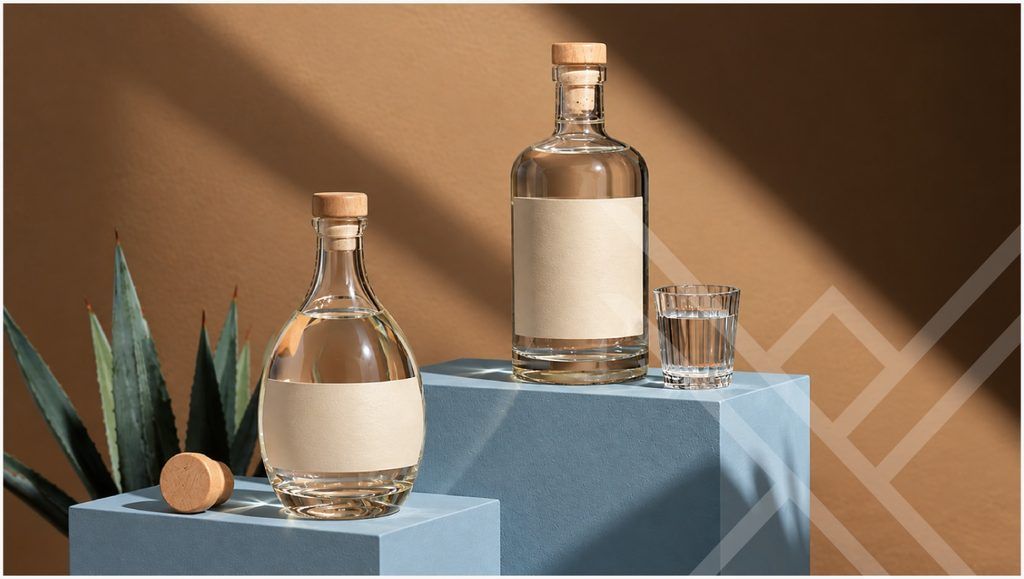
1. Ergonomic and Monolithic Structural Packaging
Legacy structural design often equated masculinity with sheer physical mass and femininity
with delicate, fragile forms. Post-gender packaging replaces this binary with architectural
elegance and functional minimalism. Instead of designing a bottle that feels excessively bulky
or overtly dainty, innovators focus on clean lines, tactile organic materials, balanced
center-of-gravity ergonomics, and sculptured glass. A bottle engineered through a
post-gender lens commands an commanding presence on a back-bar without relying on brute
force or cosmetic gentleness.
2.Product Narratives Built on Sensory Complexity, Not Lifestyle Stereotypes
Traditional spirits advertising frequently sold an aspirational gender identity: the rugged
adventurer sipping neat spirits in leather armchairs, or the socialite sipping low-proof spritzes
at brunch. Post-gender strategy shifts the entire narrative toward liquid transparency,
agricultural provenance, and technical distilation. By focusing communication on yeast
ecology, harvest maturity, stil metalurgy, and complex flavor wheels, brands invite al
consumers into an intelectual, sensory relationship with the spirit rather than asking them to
perform a gender stereotype.
3.Fluid Color Palettes and Unapologetic Typography
The visual identity of post-gender spirits moves away from stereotypical pinks or aggressive
matte blacks. Designers are embracing mineral and landscape-inspired palettes: raw terracotta,
volcanic slate, botanical greens, and muted linen textures that directly reflect the spirit’s
agricultural roots. Paired with timeless, bespoke serif or high-contrast sans-serif typography,
the brand presents a refined, galery-grade aesthetic that appeals universaly across
international markets and diverse consumer segments.
4.Expanding the Flavor Spectrum Beyond Binary Expectations
For decades, brands operated under the false premise that men only drank robust, smoky, or
tannic liquids, while women preferred sweet, low-proof, or floral profiles. Modern liquid
architects know that palates are individual, not gendered. High-net-worth female co lectors are
driving substantial demand for cask-strength, high-ester unaged tequilas and mezcals, while
men are actively seeking delicate, floral, and low-intervention botanical disti lates. Developing
liquid portfolios that celebrate nuanced, multifaceted sensory profiles without dumbing down
proofs or adding artificial sugars is the ultimate mark of modern luxury formulation.
This strategic evolution in luxury presentation builds directly upon our recent exploration,
“Disruptive Design: The Power of ‘Anti-Design’ in Luxury Spirits.” In that analysis, we
examined how stripping away ornamental luxury cliches—excessive gold foiling, ornate crests,
and manufactured prestige—creates an authentic, arresting connection with modern
connoisseurs. Post-gender branding is the strategic evolution of that exact mindset: it strips
away artificial demographic decoration to let the raw truth of the packaging architecture and
liquid exce lence command the stage.
At Aceves Spirits Co., we champion the visionary strategies redefining the future of global
agave spirits. We believe modern luxury brand building requires tearing down legacy industry
playbooks to build culturaly inteligent, boundary-pushing spirits brands. As master liquid
engineers and strategic brand advisors, we empower ambitious founders to identify emerging
market dynamics, navigate post-gender design architectures, and engineer exceptional liquid
profiles that resonate with the world’s most sophisticated consumers. By coupling
multi-generational agave expertise with progressive commercial insight, we help creators build
scalable, category-defining portfolios engineered for long-term global relevance.
The future of luxury branding doesn’t belong to yesterday’s demographics, but to visionary
creators who design for modern palates.
Is your brand strategy anchored in outdated gender tropes, or are you architecting the
next era of universal luxury?
Visit Aceves Spirits Co. at acevesspirits.com to discover how we professionalize private label
development, align master liquid engineering with progressive brand strategy, and architect
world-class luxury spirits from the ground up.